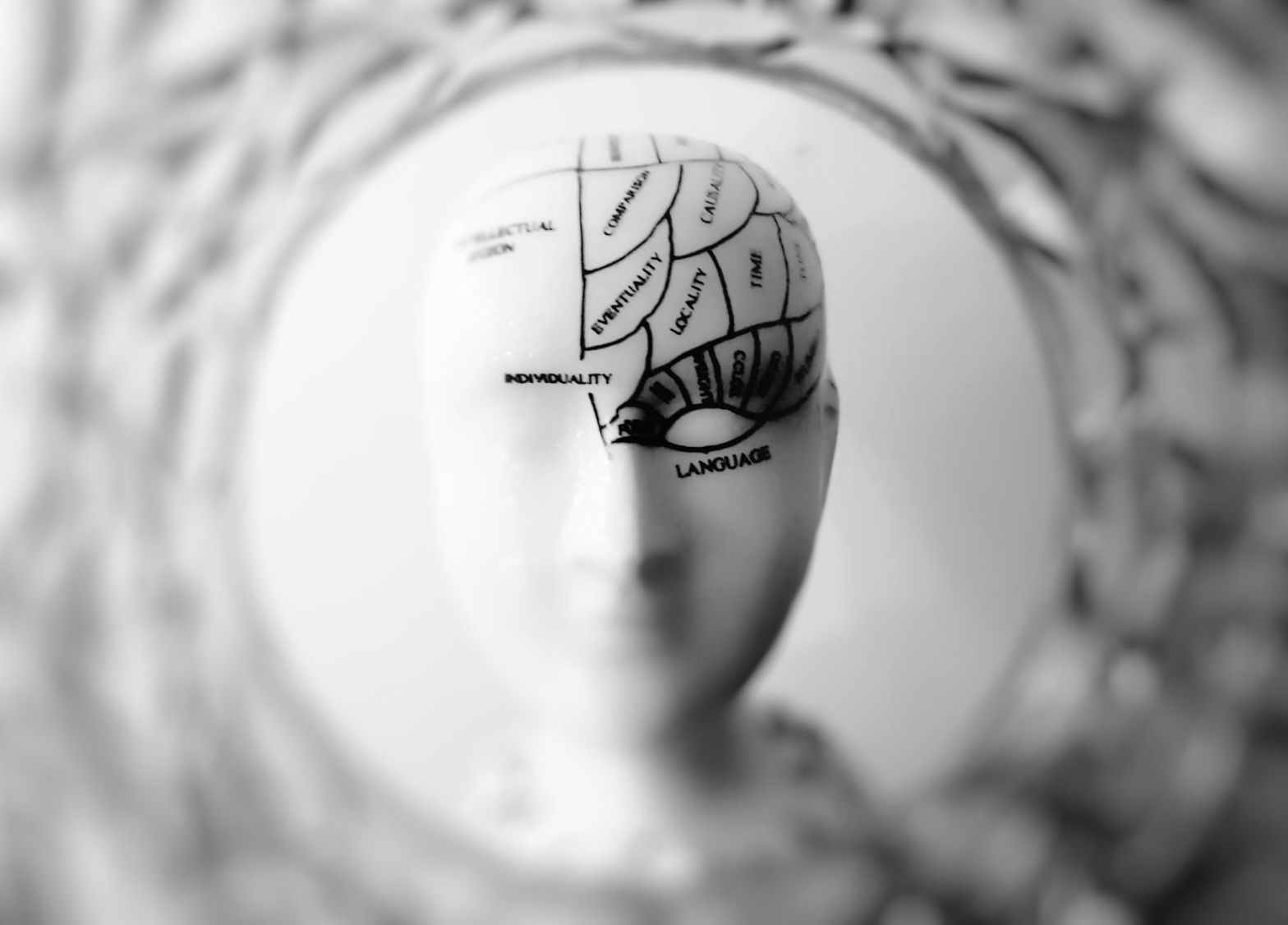
My name is Charleigh Peters and I am a freshman at the University of Miami majoring in Neuroscience. In high school I always thrived in my science classes, so I knew that coming to college I wanted to major in something that had to do with science. However, I was also interested in Psychology but knew that I didn’t want to major in it. I did an abundant amount of research and soon realized that I wanted to major in Neuroscience because it had the perfect mix of biological science and psychology.
The main reason I wanted to study neuroscience was because of my grandfather. Sadly, my grandfather was diagnosed with Alzheimer’s disease at a young age. Alzheimer’s is a type of brain disorder that causes problems with memory, thinking, and behavior. Watching him quickly forget who me and my family were was utterly heartbreaking. Unfortunately there is no cure for Alzheimer’s disease, but by majoring in Neuroscience I hope that one day I will be able to conduct research and experiments that could lead to a cure for this awful disease.
Neuroscience is the study of any or all of the sciences which deal with the structure or function of the nervous system. This also includes the brain, spinal cord, and all of the nerves throughout your body. Neuroscience is not just about the biology of these structures, it also includes the psychology of the brain as well as the interactions between the nervous system and other body systems. Neuroscientists study the molecular, cellular, computational, functional, behavioral, evolutionary, and medical aspects of the nervous system. There are various fields that focus on different aspects, but they often times overlap. For example, there are researchers, surgeons, consultants, and many more. Within this field there are numerous amounts of misconceptions. One being that many people believe just because you are majoring in Neuroscience you want to become a Neurosurgeon. While yes, many of those who major in Neuroscience do go on to become surgeons, a good majority do alternate things with their degree. Personally, I want to go into the research side of neuroscience. This involves looking into brain activity in people with disabilities and diseases such as Alzheimers and Parkinsons disease as well as running experiments using cell samples and tissues. The findings of this experimentation can then potentially lead to the development of new medications.
Neuroscience is extremely important, it affects many, if not all, human functions, but it also contributes to a better, deeper understanding of a wide range of common conditions such as ADHD, down syndrome, epilepsy, immune disorders, as well as much more. A greater understanding of neurological factors can help in developing medications and other strategies to treat and prevent these as well as many other health issues. Because of neuroscience, we are able to better comprehend the processes, functions, and connections of our brain to our body.

